
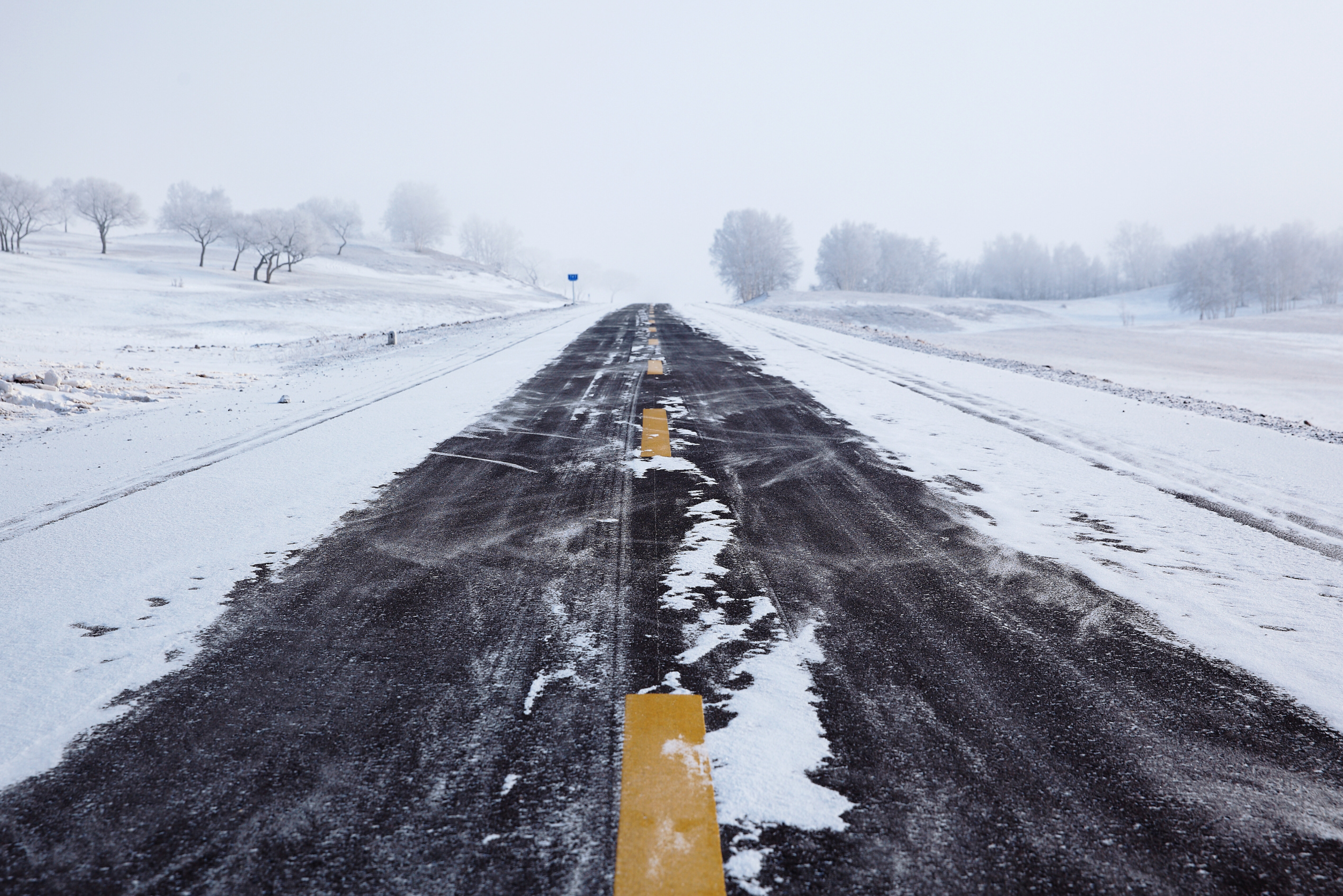
Weather as a Business Variable
Rain, snow, extreme heat, and seasonal storms directly affect vehicle performance, route timing, fuel efficiency, maintenance cycles, and breakdown probability. The fleets that struggle most are often the ones that treat weather as a surprise instead of an operational input.
Here’s what that really means in practice.
Cold Starts Aren’t Just Inconvenient
Cold weather changes how fleet vehicles behave before they even leave the lot.
When temperatures drop, engine oil thickens, making internal components work harder until proper lubrication circulates. Batteries can lose power. Starter motors draw more energy. Alternators compensate. Tires are exposed to reduced pressure and underinflation.
Now layer in delivery operations: dozens of stops, repeated engine shutoffs, short idle cycles. Every cold restart increases strain. Over time, this compounds into higher battery failure rates, starter issues, and unexpected no-start situations in the middle of a route.
Winter fleet management requires more than seasonal adjustments. Cold weather increases overall mechanical stress, exposes system vulnerabilities, and accelerates wear across the vehicle. Without proactive planning, minor weaknesses can quickly turn into costly operational disruptions.
Rain, Flooding, and Risk
Heavy rain changes driving dynamics immediately: reduced traction, longer stopping distances, and increased braking frequency. But the deeper risks to fleet vehicles often develop beneath the surface.
Standing water introduces multiple layers of exposure. Braking systems can become saturated, reducing stopping efficiency and accelerating pad and rotor wear. Repeated wet conditions increase the likelihood of rust formation, particularly on undercarriage components and suspension systems.
Flooded roadways present even greater risk. Water intrusion into wheel bearings, differentials, or exhaust systems can cause long-term mechanical damage that doesn’t always show up the same day. Electrical connectors and sensors exposed to moisture may corrode gradually, leading to intermittent failures that are difficult to diagnose.
Hydroplaning is another operational concern. When tires lose contact with the road surface, even momentarily, drivers compensate with sharper corrections and braking inputs. That increased steering and brake stress compounds wear on suspension components and steering systems.
Fleet operators who factor in post-storm inspections often reduce the chance of major vehicle repairs.
Storm-Driven Route Inefficiencies
Severe weather variables have the unique ability to reshape delivery routes entirely.
Storms, heavy rains, ice, and even high winds (which lead to downed trees) often cause road closures, detours, and restricted access points. An optimized delivery path suddenly becomes a navigation exercise. Drivers are forced to reroute, adding unexpected mileage, fuel consumption, and pressure.
Secondary routes are rarely built for commercial fleet volume. Narrower lanes, uneven pavement, and unfamiliar terrain increase suspension strain and steering input. Vehicles may encounter potholes or poorly maintained roads that elevate the risk of vehicle damage.
Operationally, storm-driven inefficiencies also affect driver fatigue. Extended route times require greater concentration in hazardous conditions. Reduced visibility and slick roadways increase cognitive strain, which can affect reaction time and safety margins.
For fleet managers, this reinforces a critical point: when roads close, efficiency can quickly disappear.
Building Weather Resilience Into Your Fleet Plan
When extreme weather hits, even the most well-maintained fleet feels it.
Cold pushes engines harder. Heat stresses vehicles (and drivers). Storms slow routes and keep vehicles in dangerous road conditions longer than planned. Breakdowns during these periods aren’t always the result of poor maintenance; they’re often the result of added environmental strain.
Weather will inevitably add pressure. The question for fleet operators is, “What’s the plan when it does?”
If a vehicle goes down during a snowstorm or heat wave, every minute counts. Drivers are scheduled. Routes are stacked. Customers are waiting. Without a backup plan, one disabled vehicle can ripple across an entire day’s operations.
That’s where Route Recovery fits into the strategy.
Having access to replacement delivery vehicles during peak weather seasons provides breathing room. It gives fleet managers flexibility when conditions are unpredictable. It keeps drivers moving instead of roadside. It protects revenue when mechanical stress is at its highest.
Weather will always test a fleet. The operators who plan for that pressure are the ones who pass.